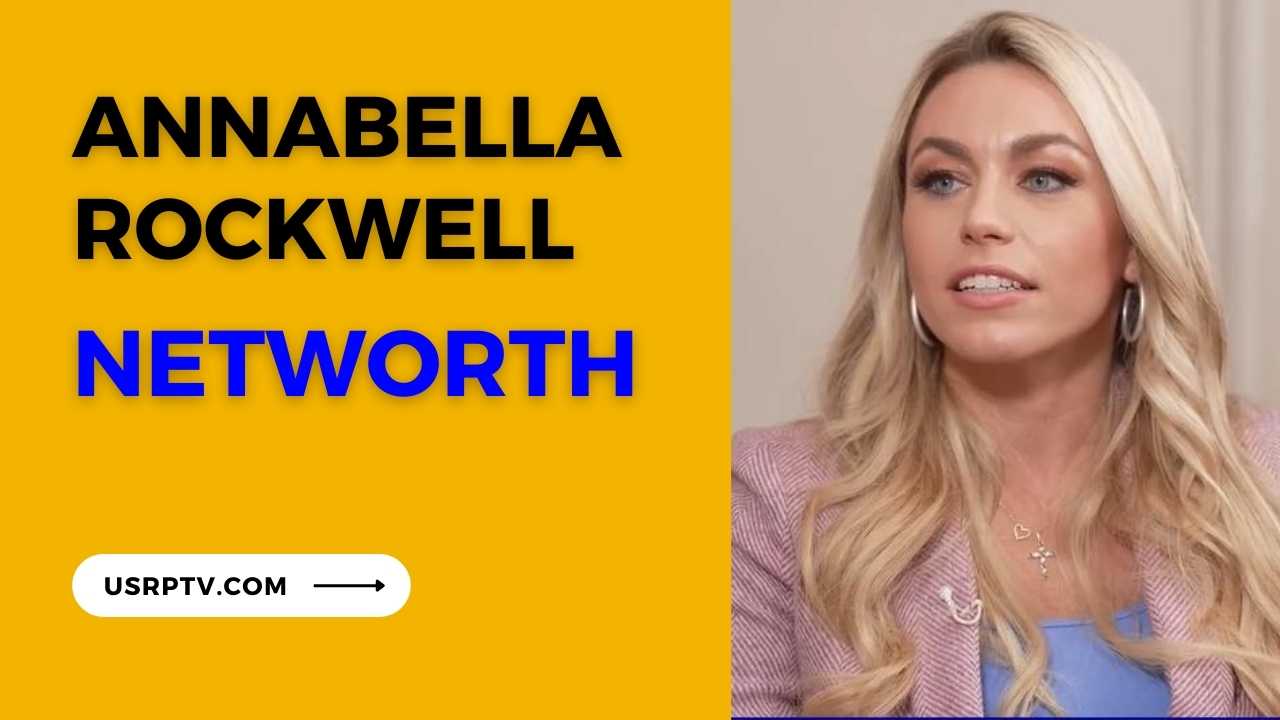
Annabella Rockwell’s public story is best read through clearly attributed interviews and biographies. This page, reviewed on October 27, 2026, replaces the old generic “success story” with a guide to the source context. It does not claim access to her private finances or personal records.
Where the public account appears
Her presenter page points to a November 2022 interview and presents her criticism of higher education. The page also links a first-person video in PragerU’s Stories of Us series. The speaker’s account is a primary source for what she says about her experience, while the publisher’s framing should remain visible to readers.
Biography and interpretation answer different questions
| Source element | How it should be used |
|---|---|
| Interview statement | Evidence of the speaker’s stated experience or opinion. |
| Presenter biography | Attributed background, with limits on independent verification. |
| Political description | A viewpoint, not a neutral finding about an entire institution. |
| Wealth headline | Requires financial evidence beyond a personal narrative. |
An interview can explain why someone became publicly visible without proving every claim made by later biography websites. Likewise, a review date in 2026 does not make an older interview a new event. Dates and attribution prevent the public record from becoming an undifferentiated collection of anecdotes.
Corrections made to this page
- Removed unsupported claims of business success and investment wealth.
- Avoided treating political interpretations as settled institutional facts.
- Separated this source-context note from the site’s biography and financial-evidence pages.
Read the biography and education summary for background, or the net-worth evidence note for the financial question. These links provide a clear route through the existing articles without repeating an unverified fortune across three pages.
A dated video gives the public story a clear reference point
The PragerU video page for Rockwell’s Stories of Us appearance is dated August 22, 2023. That is a useful anchor for readers encountering excerpts later. A clip uploaded again in 2026 may still come from this older presentation, rather than represent a newly recorded conversation.
The page presents her interpretation of a change in political outlook following college. This makes it a source for how her story was publicly framed by the speaker and publisher. It does not turn that interpretation into a scientific finding or an independent assessment of every aspect of her education.
To understand the account, keep three dates separate: when an experience is said to have happened, when it was described in an interview and when a later page or social post redistributed it. Collapsing those dates can make a historical controversy appear to have begun again without any new development.
What first-person testimony can establish
A first-person account can communicate memories, motivations and changes in outlook that would be difficult to infer from a resume. Its value is that readers hear how a person explains their experience. The appropriate attribution preserves that voice: the speaker describes, recalls, believes or argues something.
Different claims require different follow-up. An educational date may be checked against an institutional record. A recollection of feeling alienated is an account of personal experience. A broad conclusion about a whole institution needs evidence beyond one biography. Treating all three as identical either overstates the source or unfairly dismisses information it can legitimately provide.
This distinction is particularly important when a personal story becomes part of a political debate. Readers can take the speaker’s account seriously while still examining a wider claim. Reporting a viewpoint is not the same as endorsing it, and identifying an evidentiary limit is not the same as rejecting the person’s experience.
The campus response belongs in the source map
Mount Holyoke News reported on the controversy on December 9, 2022. That offers a campus reporting perspective on how the account circulated. A separate opinion column on the same subject should be identified as commentary, rather than used as though it were an official college conclusion.
The distinction prevents a common reporting mistake: assigning one student’s argument, one columnist’s judgment or one media outlet’s headline to an entire institution. A source map should identify who is speaking and in what capacity. This page does not attribute a universal response to the college community.
Similarly, a presenter biography hosted by an advocacy publisher is useful for the publisher’s description of its presenter. It should not be misidentified as an independent institutional investigation. Readers benefit when the article explains those relationships instead of concealing them behind a generic list of links.
How an excerpt can change the apparent meaning
A short clip may preserve a speaker’s exact words while removing the question that prompted them. A headline may emphasize the strongest phrase from a longer conversation. A reaction post may then summarize that headline rather than the interview itself. At each stage, context can become narrower even if nobody deliberately changes a quotation.
The most useful comparison is between the excerpt and its original setting. Identify the question, the surrounding explanation and whether the speaker is discussing a particular event or making a general claim. Also check whether a caption adds a conclusion that is not actually expressed in the clip.
This article does not reproduce an interview transcript or reconstruct missing dialogue. It directs readers to the dated public material and explains how to interpret the source types. That approach gives the audience a route to the account without creating a new version of it through unattributed paraphrase.
A five-question checklist for this story
- Who makes the statement? Distinguish Rockwell, the interviewer, the publisher and a later commentator.
- What kind of statement is it? Separate a date or role from a recollection or political judgment.
- When did it happen? Use the original event and publication dates where available.
- What does the supporting link establish? Do not ask a presenter biography to prove private finances or institutional conclusions.
- Is there a new development? A fresh upload alone is not proof of a new interview, appointment or finding.
Why financial speculation is kept separate
The public conversation about Rockwell includes wealth-related searches, but an interview about education does not establish a personal balance sheet. A description of family background and a statement about political views cannot be combined to produce an exact valuation. The linked financial-evidence article addresses that question directly.
Keeping the topics distinct also improves the reading experience. This page explains interviews and their context; the biography outlines the available education record; the net-worth page assesses the limits of financial evidence. Each article can answer a different question without making the reader work through the same speculative claim three times.
This expansion was reviewed October 27, 2026. It preserves the historical dates of the source material and identifies interpretation as interpretation. A later revision should explain a specific new development, rather than present the reappearance of an old clip as evidence that every part of the story is current.
Frequently asked questions
Does a first-person interview verify all later biography claims?
No. It establishes what the person said; unrelated claims still need their own evidence.
Is the 2022 interview a new 2026 event?
No. The interview keeps its original date, while this page records a later review.
Where is the separate financial-evidence discussion?
It is linked above. No verified personal wealth figure is claimed on this page.